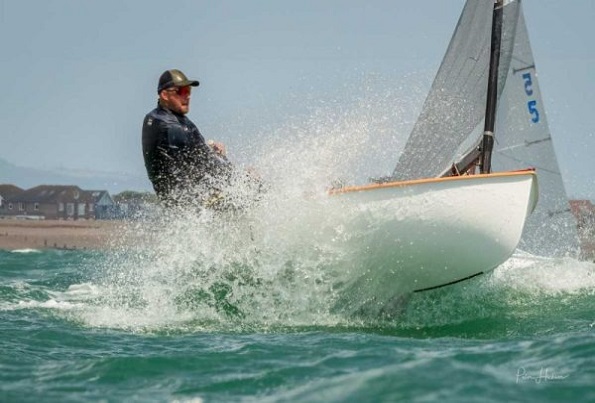


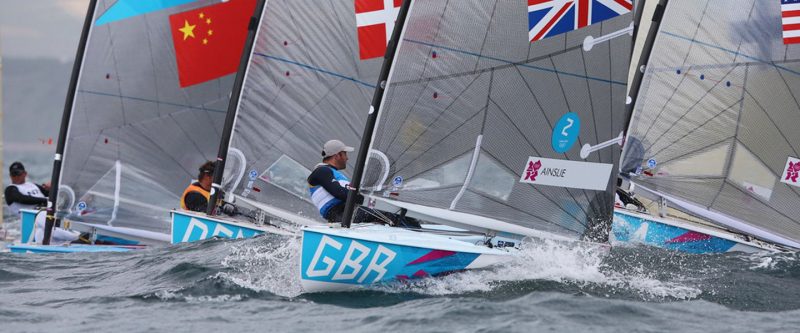
The Finn dinghy first hit the water in 1949, making its Olympic debut in the 1952 Helsinki Olympics, fittingly, the birthplace of its design. Whilst the boat went through a variety of changes, progressing from wooden hull and rig through to ultra-accurate GRP hulls and carbon fibre rigs, it has stood the test of time. In a world where classes merge and fade, new designs seemingly debuting each year, the Finn has stood as the benchmark in the world of sailing for 75 years, famously producing some of history’s most talented sailors, ranging from the early greats, such as Paul Elvstrøm, to the modern icons of Ben Ainslie and Giles Scott.
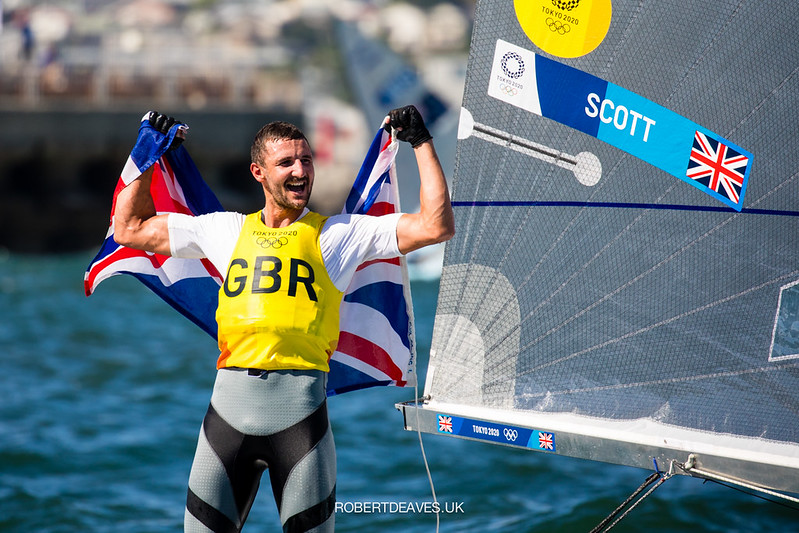
Whilst it is awe-inspiring that the Finn stood at the centre of Olympic greatness for so many decades, nothing could have stopped the inevitable end of the Finn’s journey as an Olympic class, with the final Finn Olympicregatta being raced in 2021, when Scott secured his second Olympic gold at the Tokyo Games. The decision to remove the Finn left the games without a true heavyweight class, ostracised so many talented sailors and halted their path to the Olympics, it ripped dreams away from those who fought to represent their country and broke the hearts of sailing fans around the world.
Many thought this was the end of the road for the Finn, and the class would dwindle into dinghy park obscurity; some saw it as an archaic, too heavy, too slow and too expensive to thrive without the support and exposure of the Olympics. The era of the Finn was over…but how wrong they were.
The Finn class has often been overshadowed by its Olympic heritage, with only the greats being recognised. The truth is that the beating heart of the class is and always has been its members; the sailors who crack the ice off their covers in winter and brave the heavy winds, not for Olympic glory or to have their name etched in history, but simply because they love it, the camaraderie, the competition and racing each week with the knowledge you are part of one of history’s most successful classes.
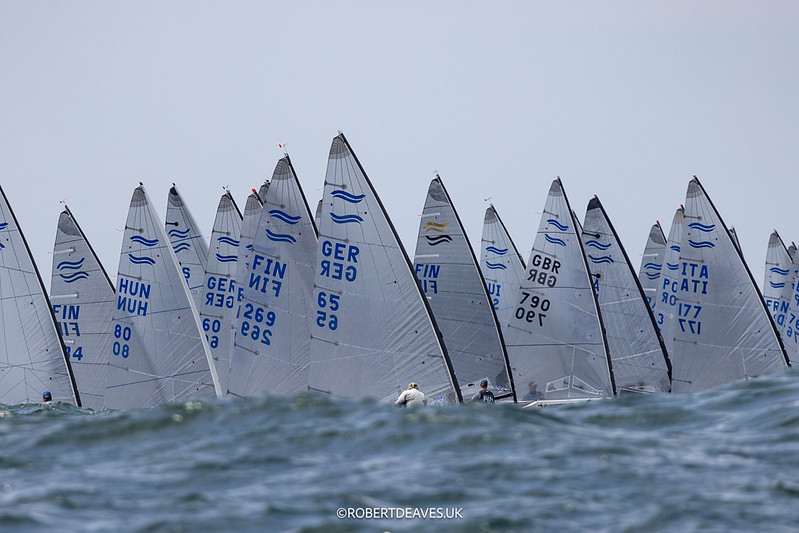
The Finn fleet has been largely driven by the Masters series in recent years, a national and international competition for those aged 40 and older, with the Masters World Championships regularly pulling entries of more than 300 boats, something that is almost unheard of in today’s amateur sailing.
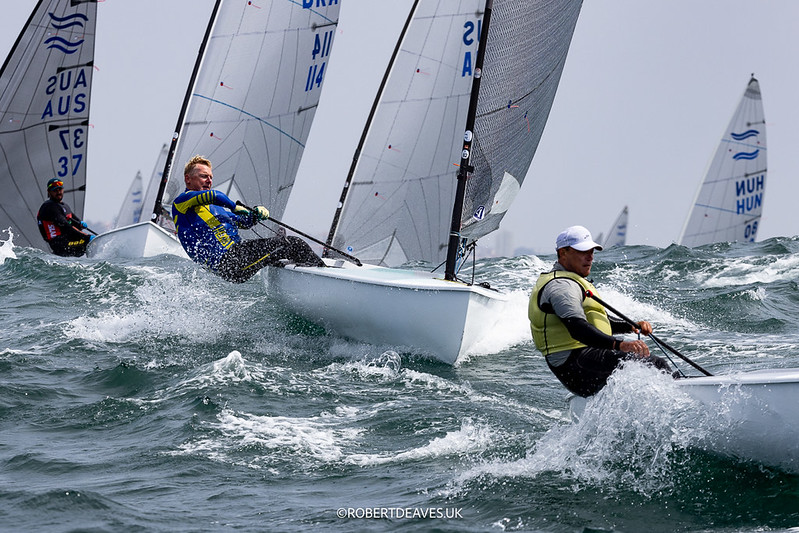
Next up on the racing agenda is an Australian winter adventure, with a triple header of international competition heading to The Royal Brisbane Yacht Squadron. Starting February 13th-19th, The Silver Cup (under 29 World Championships) is paired with the prestigious Finn Gold Cup, the Finn World Championships, which was first competed for in 1956 and, following its conclusion, The Finn World Masters takes place from February 20th-27th. This trio of competitions is putting the class’s demographic versatility on show, proving once and for all that this is a class for everyone.
Cameron Tweedle